Customer experience (CX) teams love to talk about AI, automation, and self-service journeys — but here’s the hard truth: none of it works well unless your systems actually talk to each other.
Every modern contact center eventually hits the same wall:
- Agents jumping between multiple CRM tabs
- Voice data that never syncs with customer history
- Reps asking customers to repeat basic info
- Supervisors relying on incomplete insights
- Bots failing because they can’t “see” customer context
The root cause? Almost always the same — a fractured stack with no connector strategy.
That’s exactly where CRM + CTI integration becomes the unsung backbone of CX success. Done right, it eliminates friction, speeds up resolutions, and unlocks every AI capability your team wants to deploy next.
Let’s break it all down.

What Is a Connector-First Strategy? (And Why It Matters)
A connector-first strategy flips the usual approach. Instead of buying tools and figuring out integrations later, you start by asking:
“How do we make every customer interaction visible, unified, and actionable?”
Once that becomes the North Star, everything else falls into place. It ensures:
- CRM becomes the single source of truth
- CTI controls the interaction layer (voice, chat, routing)
- Connectors bind the two, creating a unified agent workspace
The result?
Agents see everything. Bots know everything. Supervisors track everything. Your entire service operation moves in sync.
This isn’t “nice to have.” It’s the foundation for every modern CX capability — from AI routing to personalized journeys.
Why CRM + CTI Is the Most Important Integration in the Contact Center
Think of CTI as the “front door” for conversation channels and CRM as the “brain” holding customer intelligence.
When they aren’t integrated, here’s what happens:
- Agents verify identity three times
- Call routing ignores account status
- Bots can’t personalize conversations
- Supervisors lose visibility
- Data ends up in siloed reports
- Average handle time (AHT) shoots up
- CSAT drops
- Agents burn out
Flip the script with a connector-first setup:
- CRM data automatically flows into CTI
- CTI captures automatically update CRM
It’s like a disjointed orchestra suddenly playing in perfect rhythm.

Visual Comparison: Disconnected vs Integrated CX Stack
| Feature | Disconnected Stack | Connector-First Integrated Stack |
|---|---|---|
| Customer Info | Manual lookup | Auto-populates in CTI |
| Previous Interactions | Often missed | Fully visible in one screen |
| Call Routing | Generic | Personalized based on history & urgency |
| Bots | Context-free | Fully aware of customer data |
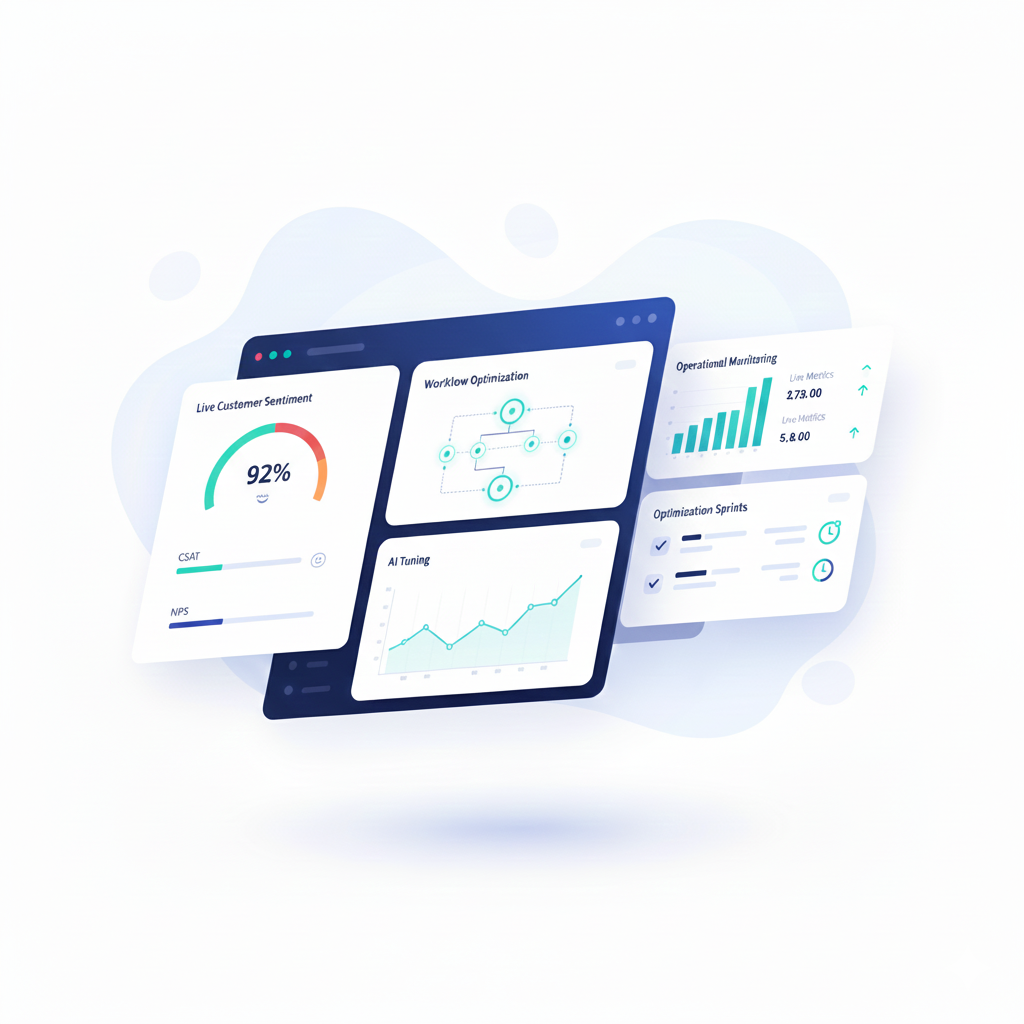
| Analytics | Siloed, incomplete | Unified dashboards & insights |
| Compliance | Manual checks | Automatic logging & tracking |
| First Contact Resolution | Low | High |
Even a simple table like this demonstrates why integration is non-negotiable in 2025 CX.
What a Fully Integrated CRM + CTI Environment Actually Looks Like
Inside a well-built connector ecosystem:
When a call/chat arrives:
- Customer info loads instantly
- Previous tickets surface
- Open orders, payments, and issues appear
- Bots adjust intent based on history
- Routing shifts based on urgency or VIP status
During the interaction:
- AI suggests next-best actions
- Knowledge pops up contextually
- Forms auto-fill
- Compliance checks run quietly
After the interaction:
- Notes & summaries update automatically
- Dispositions write back into CRM
- Follow-ups generate automatically
- Analytics capture insights without manual effort
Outcome: Reduced wait time, lower handle time, higher FCR, and happier agents.

The Revenue Impact: Why This Isn’t Just an IT Decision
CRM + CTI integration isn’t a “technical project.” It’s a strategic business advantage.
Benefits include:
- Higher FCR — Agents solve issues faster with full context
- Lower AHT — No more switching between six screens
- Higher Conversion Rates — Sales reps see customer history in one view
- Accurate Forecasting & Planning — Unified systems give a real view of demand
- Better Compliance — Automatic sync of recordings, transcripts, interactions
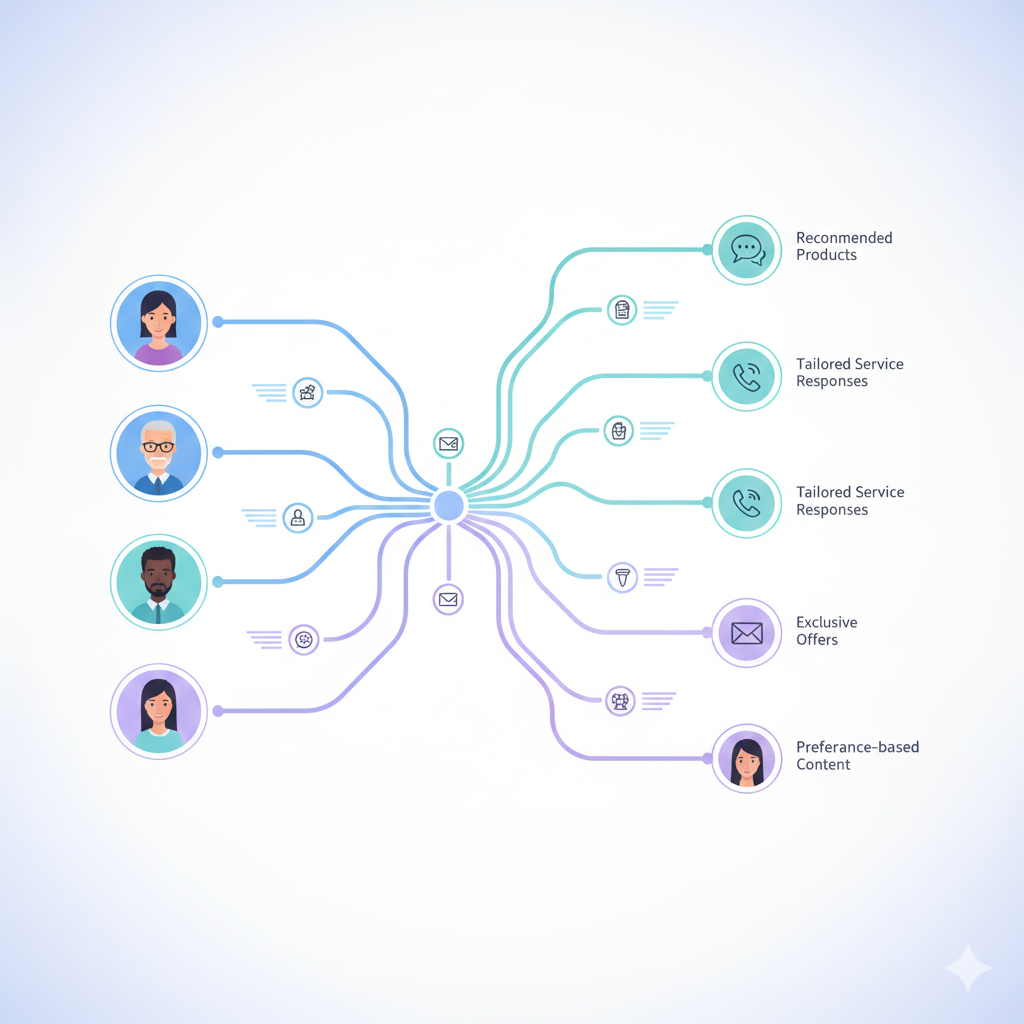
- Real Personalization — AI finally has context to make conversations feel human
In short: Integration transforms “basic support” into strategic CX.

Why Most Contact Centers Struggle to Get This Right
CRM + CTI integration sounds simple, but common roadblocks include:
- Legacy systems that don’t connect
- Custom-built connectors that break with updates
- Data formats that don’t match
- Poor documentation
- Misaligned upgrades (CRM vs CTI)
- Teams implementing CRM or CTI first without connector strategy
The root problem? Lack of a connector framework — a blueprint for how systems should interact.
The Rise of Pre-Built Connectors (Game-Changers in 2025)
The industry has evolved:
- AWS, Salesforce, Microsoft, and enterprise CTI vendors offer pre-built adapters
- Low-code connector frameworks
- Embedded softphones
- Unified activity logging
- Native AI integration paths
This reduces:
- Implementation time
- Dependency on custom code
- Breakage during upgrades
- Ongoing maintenance costs
Result: Faster deployment, fewer headaches, future-proof stack.

How AI Amplifies CRM + CTI Integration
Disconnected systems mean AI runs blind. Unified systems enable:
- Real-time intent prediction — Predict why the customer is calling before the agent answers
- Personalized routing — Route customers to the right agent based on history & priority
- Auto-summarization & auto-QA — Notes & scorecards generated automatically
- Fraud detection & risk alerts — Identity discrepancies trigger real-time warnings
- Agent assist guidance — AI suggests answers based on CRM + CTI context
- Conversational AI — Bots finally understand the customer situation
Takeaway: The smarter your stack, the more intelligence your AI delivers.

Blueprint for Connector-First CX Architecture
Step-by-step roadmap:
- Pick CRM & CTI as core systems — CRM = customer truth; CTI = interaction truth
- Define interaction flows first — Journey → Data → Workflow → Tool
- Use pre-built connectors — Faster, cheaper, reliable
- Design unified agent workspace — One screen, real-time AI, all context
- Enable AI with structured signals — Lex, Bedrock, LLMs, routing engines need CRM data
- Align analytics — Unified dashboards = better decisions
- Continuous optimization — Every workflow or bot should read/write CRM data by default
Principle: Start with the connector strategy, then buy tools.
Real-World Example: Before & After Integration
| Metric | Before Integration | After CRM + CTI Integration |
|---|---|---|
| Fields checked manually | 3–5 | Auto-populated |
| AHT | 8.5 min | 5.2 min |
| FCR | 61% | 78% |
| Supervisor review | 3% of calls | 20% (AI-assisted) |
| CSAT | Low, dropped with volume spikes | Up 14 points |
Agents didn’t suddenly get more skilled — they finally had context and tools aligned.
The Connector-First Future: Why This Strategy Wins
AI will evolve. Platforms will expand. Workflows will grow complex.
But one thing remains: Brands that win CX are those with the smartest data connections.
Benefits include:
- Faster adaptation
- Cheaper scaling
- Easier automation
- Ready for future AI channels
- Resilient when platforms change
Conclusion: Connector-first is the quiet foundation powering world-class customer experiences.
Final Thoughts
AI, bots, and automation get the headlines. Routing engines grab attention.
But the reality: Without a connector-first approach, none of it works efficiently.
CRM + CTI integration is the backbone of modern CX, enabling faster resolutions, intelligent AI use, and better customer outcomes.
If you’re serious about CX transformation, agent productivity, and future-proofing your contact center — start with your connectors. That’s where the real leverage lives.