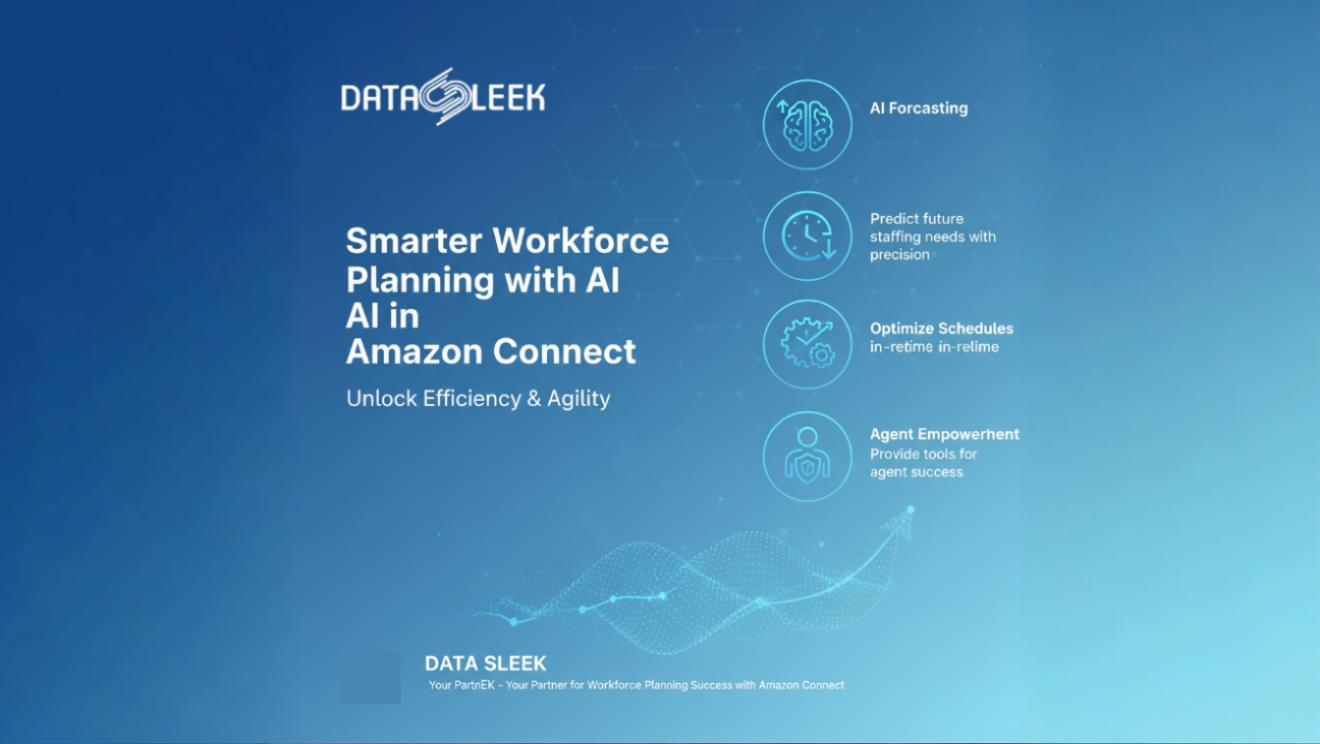
Running a modern contact center is no easy job. Leaders are constantly balancing cost efficiency, customer satisfaction, and agent well-being — all while handling unpredictable call volumes. Traditional workforce planning models often rely on historical data, manual forecasting, and rigid schedules. The result? Either too many idle agents or not enough staff during peak demand.
Here’s where Amazon Connect with AI-driven workforce planning changes the game. Instead of guesswork, it gives contact centers real-time insights, intelligent forecasting, and smarter scheduling powered by machine learning. And with the right implementation partner, like Data Sleek, these capabilities turn into measurable results for both enterprises and customers.
Let’s break down what this really means.

Why Traditional Workforce Planning Falls Short
Contact centers have always relied on workforce management (WFM) tools. The problem is that most of them are reactive. They depend on yesterday’s call patterns to predict tomorrow’s workload.
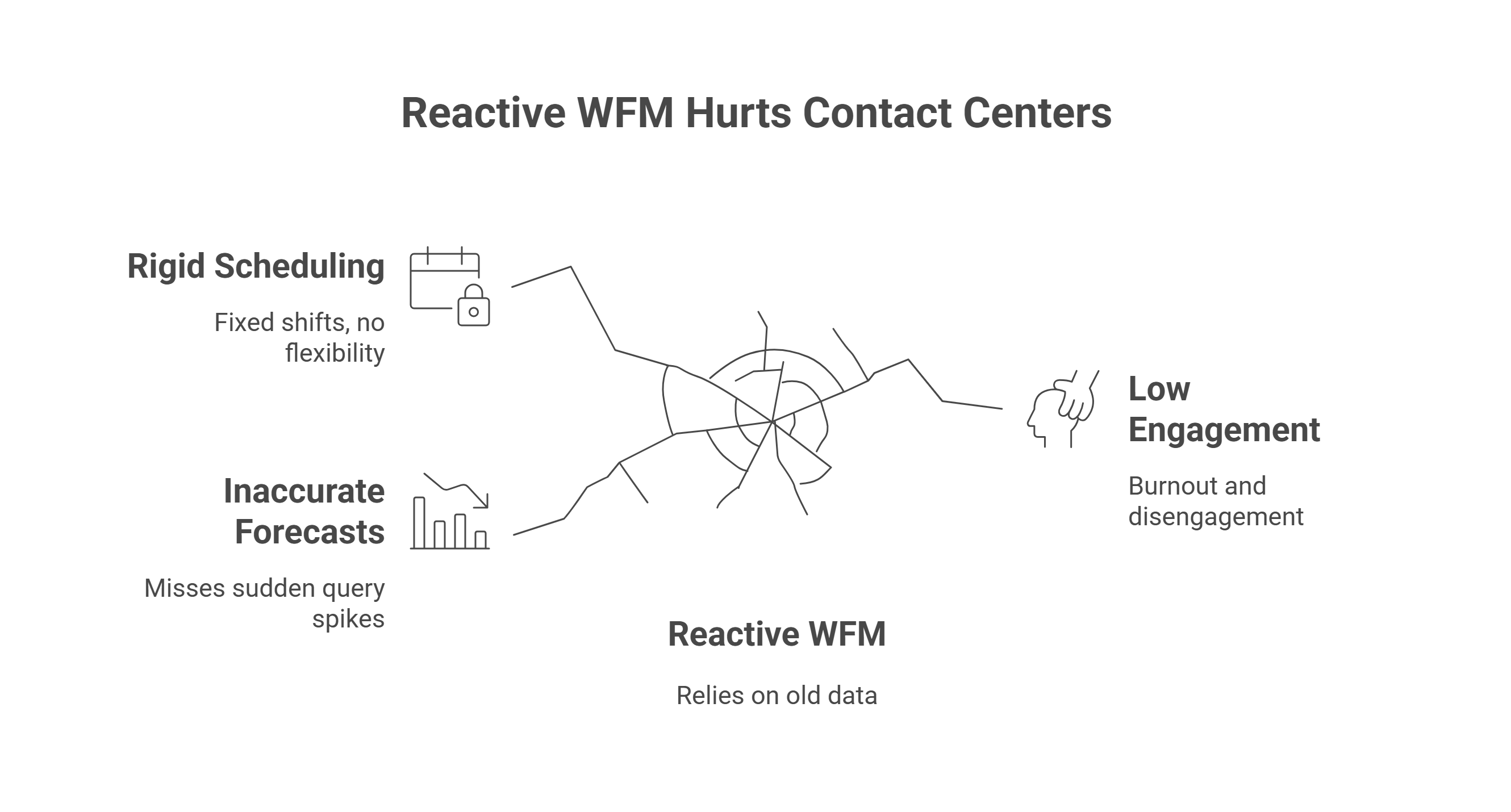
This creates three recurring problems:
Inaccurate Forecasting – Sudden spikes in customer queries (for example, during outages, launches, or seasonal peaks) aren’t reflected in old data.
Rigid Scheduling – Agents get locked into fixed shifts that don’t always match real-time demand.
Low Employee Engagement – Overworked agents during peak hours burn out, while underutilized ones during off-peak hours feel disengaged.
In short: traditional planning struggles to keep up with the dynamic nature of customer service.
How Amazon Connect Reinvents Workforce Planning
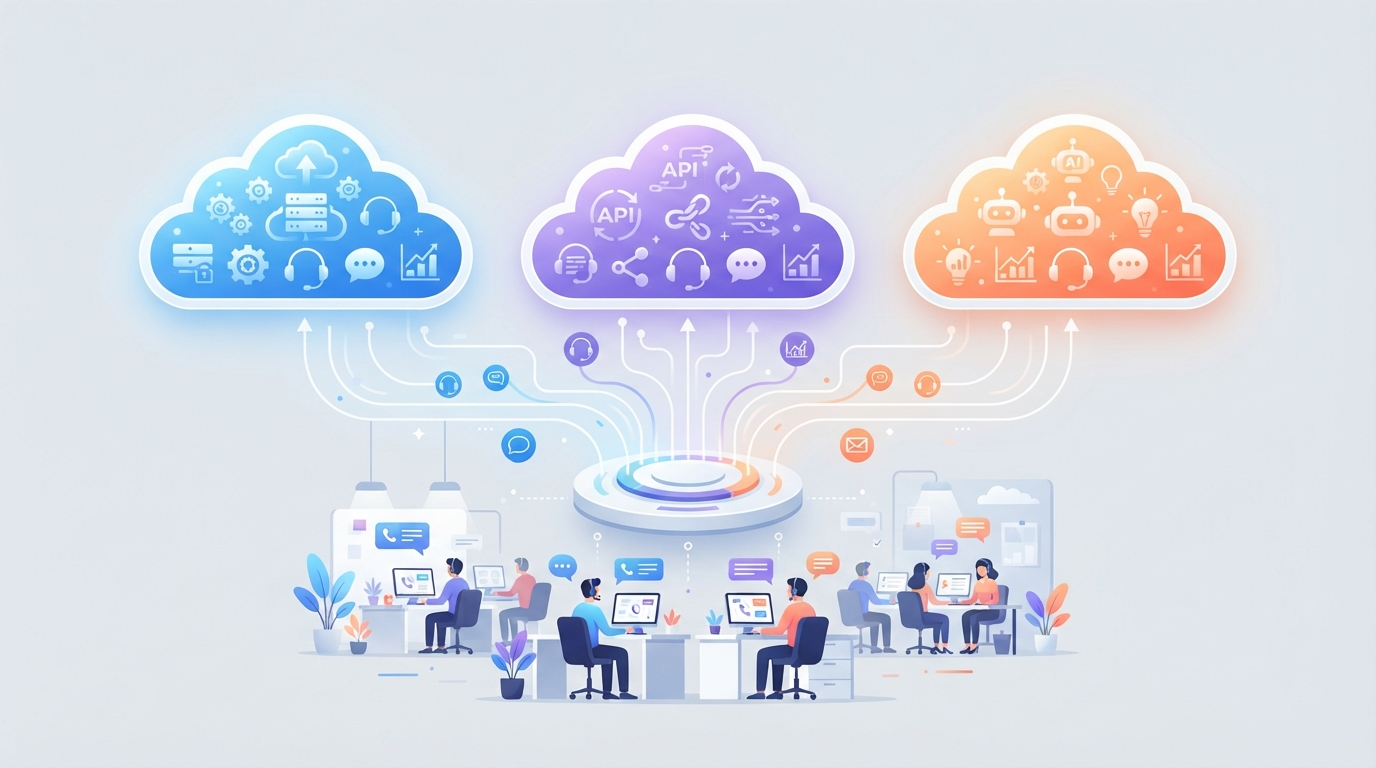
Amazon Connect takes a completely different approach. It’s cloud-based, AI-powered, and deeply integrated into contact flows. Instead of being a siloed add-on, workforce planning is woven into the heart of the contact center.
Here’s what sets it apart:
1. AI-Powered Forecasting
Amazon Connect uses historical data plus real-time interaction trends to generate highly accurate forecasts. For example:
Seasonal spikes like Black Friday sales.
Sudden surges caused by system outages.
Long-term growth patterns in call/chat volumes.
The AI models constantly update predictions, giving managers visibility into what’s coming next.
2. Dynamic Scheduling
Instead of rigid shifts, Amazon Connect lets managers create adaptive schedules that flex with demand. If call volume unexpectedly rises, the system can recommend bringing in reserve staff or redistributing tasks across channels (voice, chat, email).
3. Agent Empowerment
Agents get more control too. With self-service scheduling portals, they can swap shifts, request time off, or bid for preferred hours — all within guardrails set by managers. Happier agents = better customer interactions.
4. Real-Time Adherence Monitoring
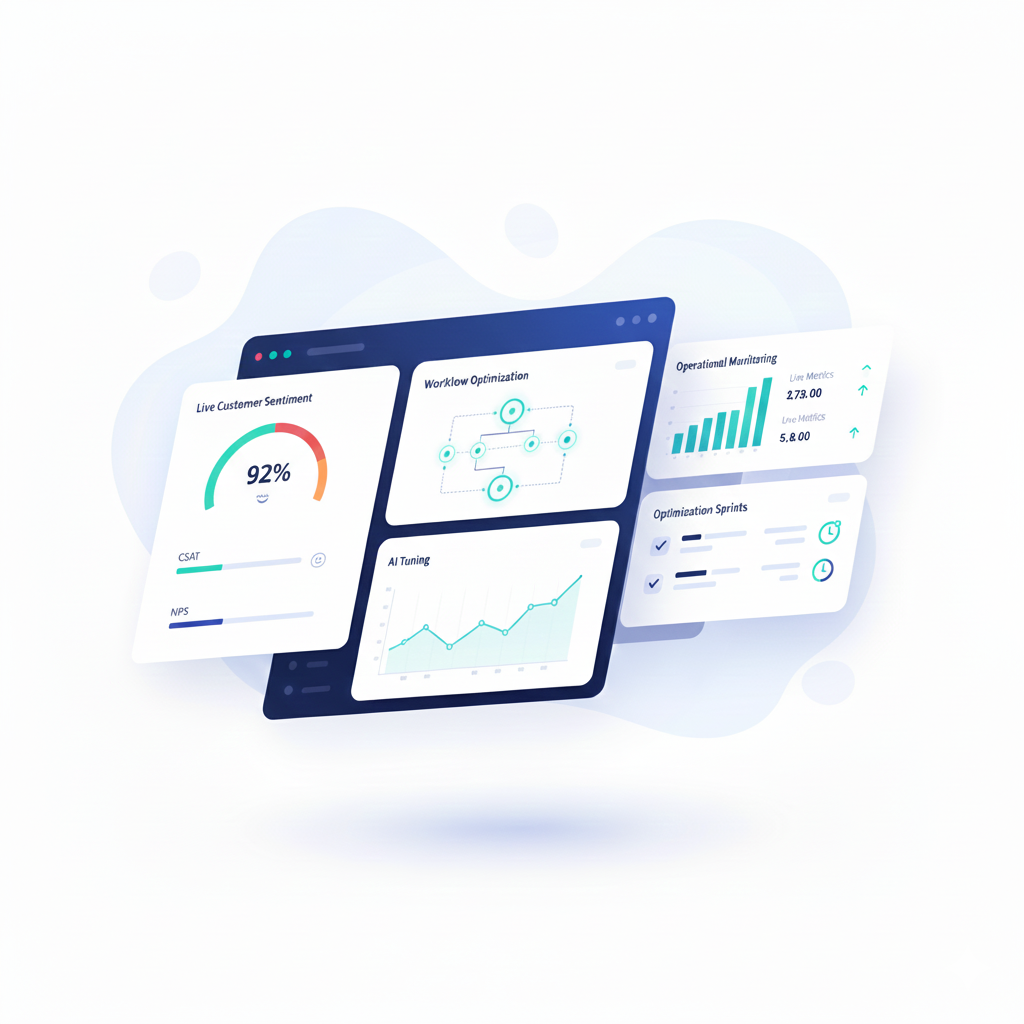
Managers can track in-the-moment adherence:
Are agents following their schedules?
Are resources aligned with the actual demand curve?
If someone is overloaded, supervisors can quickly reassign workloads.
5. Unified with Other Amazon Connect Features
Because it’s part of the Amazon Connect ecosystem, AI-driven workforce planning works hand-in-hand with other features like:
Contact Lens for Amazon Connect (real-time analytics).
Amazon Q in Connect (agent assistance).
Predictive call routing (better match between customer and agent).
This holistic integration means workforce planning isn’t an isolated tool—it’s a core capability.

Why Smarter Workforce Planning Matters
Let’s look at the real impact of smarter planning:
Lower Costs – By aligning staffing levels with actual demand, businesses cut wasted payroll hours while still maintaining service levels.
Better Customer Experience – Shorter wait times and quicker resolutions drive higher satisfaction and loyalty.
Agent Retention – Flexible, AI-driven schedules reduce burnout and turnover.
Scalability – Whether you’re running a 50-agent team or a 5,000-agent enterprise, AI makes scaling predictable and manageable.
For industries like retail, BFSI, healthcare, and travel, where peaks and lulls can be unpredictable, these benefits are transformational.
Real-World Example: A Retail Contact Center
Consider a retail enterprise managing customer service across 3 continents. During peak holiday season, call volumes triple. Traditionally, the company had to overstaff in anticipation — leading to costly idle time when forecasts overshot reality.
By adopting Amazon Connect Workforce Planning with Data Sleek’s optimization, they were able to:
Reduce overstaffing costs by 25%.
Improve service-level adherence by 18%.
Offer agents more flexible scheduling options, boosting engagement scores by 22%.
What this shows: AI planning isn’t just about efficiency—it improves both customer and employee experiences at scale.
The Human + AI Equation
A common fear is that AI will “replace” human managers or agents. The truth is the opposite. AI workforce planning works best when it augments human decision-making.
Managers still define strategy, KPIs, and service goals.
AI provides insights, forecasts, and optimization recommendations.
Together, they create a system where humans focus on judgment and empathy, while AI handles data-heavy calculations.
This human + AI synergy is where Amazon Connect truly shines.
The Data Sleek Advantage
Amazon Connect is powerful, but like any platform, how you implement it makes the difference. That’s where Data Sleek comes in.
At Data Sleek, we specialize in customizing Amazon Connect for enterprise-grade needs. Here’s how we help with smarter workforce planning:
- Custom Forecast Models – Tailoring AI models to match your industry-specific demand cycles (banking, healthcare, retail, etc.).
- Seamless Integrations – Connecting Amazon Connect WFM with HR, payroll, and CRM systems.
- Automation – Building automated workflows for schedule generation, shift swaps, and performance reporting.
- Analytics Dashboards – Giving leaders real-time, visual insights into workforce performance.
- Scalable Rollouts – From pilot projects to global enterprise deployments, ensuring smooth adoption.
Simply put: we don’t just “turn on” workforce planning — we align it with your business objectives, compliance requirements, and growth strategy.

Practical Steps for Contact Centers to Get Started
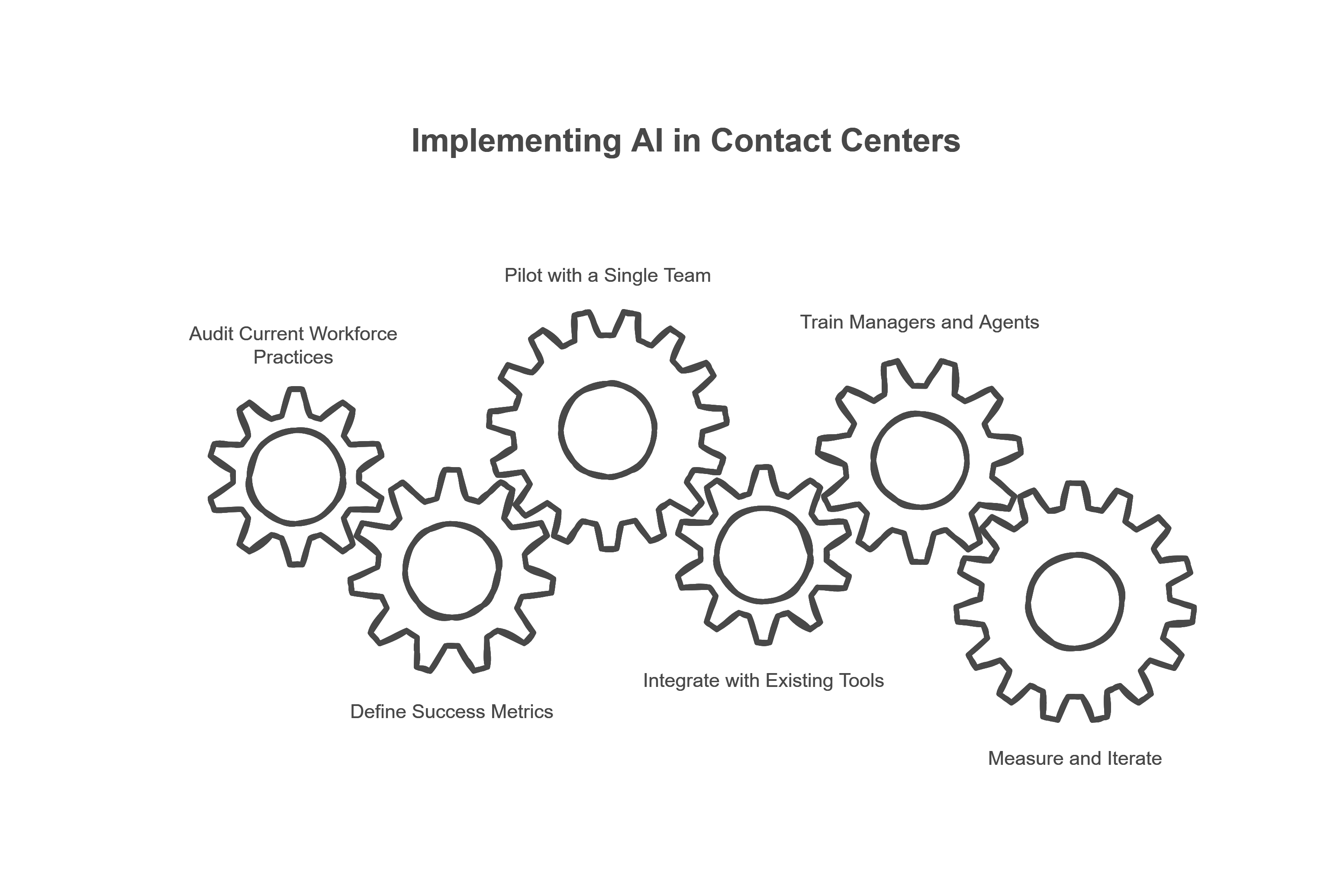
If you’re considering smarter workforce planning with Amazon Connect, here are the steps we recommend:
Audit Current Workforce Practices – Identify gaps in forecasting accuracy, scheduling flexibility, and agent satisfaction.
Define Success Metrics – Decide what “AI success” looks like: lower costs, faster handling times, higher CSAT, or reduced turnover.
Pilot with a Single Team – Start small, test forecasting and scheduling with one business unit, then expand.
Integrate with Existing Tools – Ensure WFM connects smoothly with payroll, HR, and CRM.
Train Managers and Agents – Human adoption is key; invest in training on how to use AI recommendations effectively.
Measure and Iterate – Continuously refine models based on real-world outcomes.
With this approach, AI-driven workforce planning evolves from a buzzword into a core capability that drives ROI.
Looking Ahead: The Future of Workforce Planning
The next frontier will go beyond forecasting and scheduling. Imagine:
AI predicting agent skill gaps and recommending personalized training.
Dynamic reskilling, where idle agents are automatically routed to new digital channels.
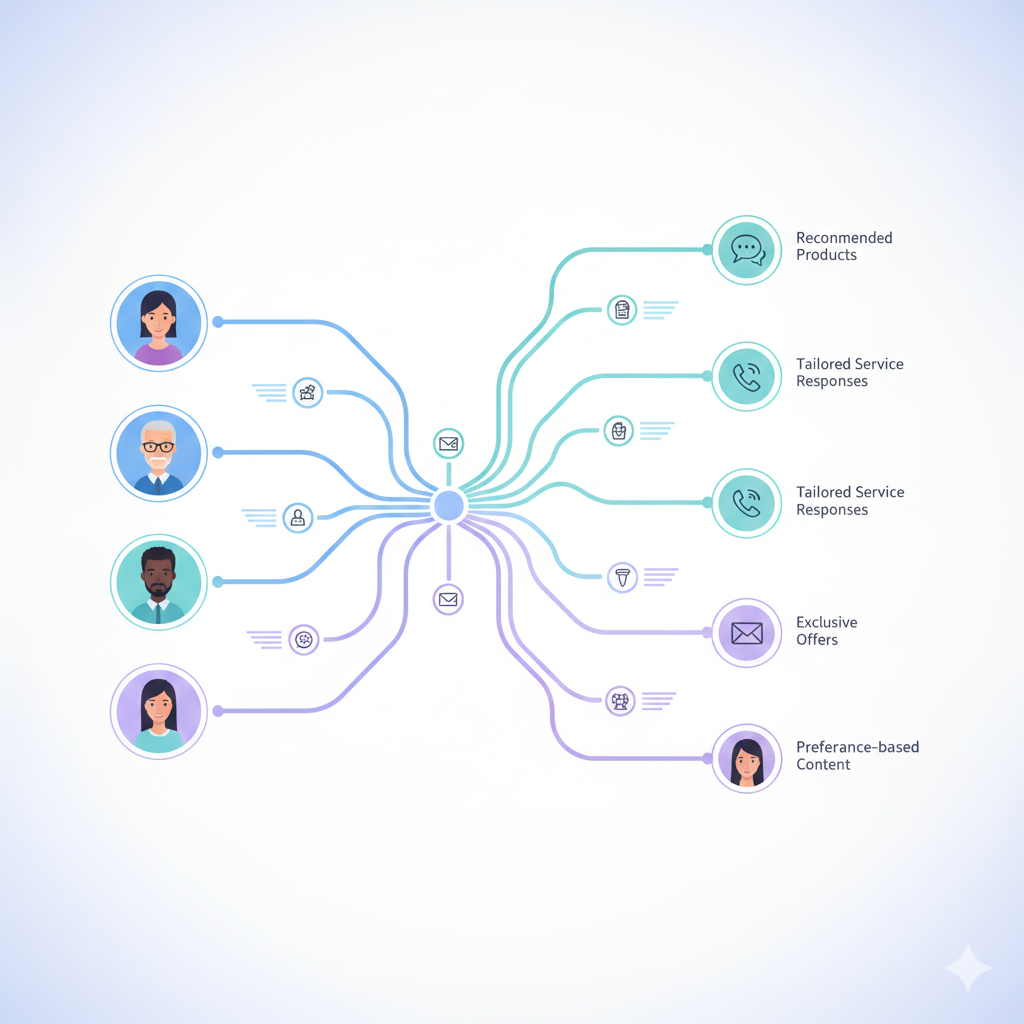
Hyper-personalized schedules, balancing company needs with agent preferences in real-time.
Amazon Connect is already building toward this future, and Data Sleek is helping enterprises adopt these innovations early.
Conclusion
Workforce planning has always been one of the toughest challenges in running a contact center. With customer expectations rising and operating costs under pressure, the old manual methods simply aren’t enough.
Amazon Connect with AI-driven workforce planning changes the equation. It delivers smarter forecasts, dynamic scheduling, and real-time adherence monitoring — empowering contact centers to cut costs, boost customer satisfaction, and engage employees.
At Data Sleek, we take this capability further. By customizing, integrating, and scaling workforce planning within Amazon Connect, we ensure enterprises don’t just adopt AI—they succeed with it.
The message is clear: Smarter workforce planning isn’t optional anymore. It’s the foundation of the next generation of customer experience.